


Fatigue and Cramps in Training: Common Causes and What Helps

You are halfway through a run or a heavy set, and suddenly your legs feel like lead, or a muscle locks up without warning. Fatigue and cramps are among the most common complaints in training, especially in hot weather. Why do they happen, and what can you do about them? In this blog, we look at the common causes and the practical steps that may help you train more comfortably.
Fatigue vs Cramps: What Is the Difference?
Fatigue is a general drop in energy or performance. Your pace slows, weights feel heavier and your focus dips.
Muscle cramps are sudden, involuntary and often painful contractions of a muscle. They commonly affect the calves, hamstrings and quadriceps, and they can happen during training or hours later, even at night.
The two can show up together, but they do not always have the same cause.
Common Causes of Fatigue in Training
- Not enough fuel: Low carbohydrate intake can leave you with less energy, especially in long sessions.
- Dehydration: Even a small fluid loss through sweat may make exercise feel harder.
- Heat and humidity: Your body works harder to cool itself, which adds to the load of every session.
- Poor sleep: Less sleep means less recovery, and it shows up in your performance.
- Too much training, too little rest: Without recovery days, fatigue builds up from session to session.
- Low intake of key nutrients: Diets low in iron, vitamin B12 or vitamin D may be linked with tiredness. A blood test and a doctor can tell you if this applies to you.
Common Causes of Muscle Cramps
Researchers are still studying exactly why cramps happen, and the cause can differ from person to person. These factors are commonly linked with them:
- Muscle fatigue: Pushing a muscle harder or longer than it is used to is one of the most common triggers.
- Fluid and electrolyte losses: Heavy sweating can lower sodium and other minerals, which play a role in normal muscle function.
- Sudden jump in intensity: A new workout, a longer run or a faster pace can catch your muscles off guard.
- Training in heat: Hot, humid conditions increase sweat losses and muscle strain together.
- Tight or under-conditioned muscles: Poor flexibility and limited warm-up may increase the chance of cramping.
What May Help: Practical Tips
1. Hydrate before you feel thirsty
Start your session well hydrated and sip regularly during longer sessions. Waiting until you are very thirsty often means you are already behind.
2. Do not forget electrolytes
Sweat carries sodium, potassium and magnesium out of your body. For long, hot or heavy-sweat sessions, an electrolyte formulation can help replace what you lose, along with water.
3. Eat enough carbohydrates
Include rice, roti, oats, potatoes or fruit in your meals, especially before long or intense sessions.
4. Warm up properly
Spend 5 to 10 minutes on light movement and dynamic stretches before hard efforts. It prepares your muscles for the work ahead.
5. Increase training gradually
Avoid sudden jumps in distance, speed or weight. A gradual build-up gives your muscles time to adapt.
6. Prioritise recovery
Sleep 7 to 9 hours, schedule rest days, and eat protein and carbohydrates after hard sessions. Amino acids and rehydration after training support your recovery.
7. Stretch and cool down
Gentle stretching after your workout can help your muscles relax. If a cramp hits, stop, stretch the muscle gently and massage it. Sip fluids once it eases.
A Quick Plan for Hot-Weather Training
- Before: Eat a balanced meal 2 to 3 hours ahead and sip fluids. Consider an electrolyte drink for long or hot sessions.
- During: Sip regularly. For sessions over 45 to 60 minutes, include electrolytes.
- After: Rehydrate, have protein or amino acids, and eat a proper meal.
When to See a Doctor
Occasional tiredness or a cramp after a hard session is common. But please consult a doctor if you notice any of the following:
- Cramps that happen very often or without any clear trigger
- Severe pain, swelling, weakness or dark-coloured urine
- Dizziness, confusion, fainting or a racing heartbeat during exercise
- Fatigue that lasts for weeks despite good sleep, food and rest
These can sometimes point to an underlying issue that needs proper medical attention. This article is for general information and is not a substitute for medical advice.
How Outpace Fits In
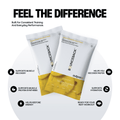
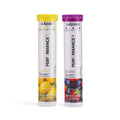
Outpace Performance+ is an effervescent electrolyte tablet formulated for training in Indian conditions, to support hydration before and during your sessions. Outpace Bounceback is built for the recovery window, with a 6.1g EAA blend, taurine, grape seed extract and electrolytes. Together, they support a simple before, during and after routine. Use them as directed on the label.
Conclusion
Fatigue and cramps usually have more than one cause, and the heat makes everything harder. Hydrate early, replace electrolytes in long sessions, fuel well, build up gradually and give your body time to recover. Small habits, repeated consistently, make training in the heat feel far more manageable.
FAQs
1. Do electrolytes prevent cramps?
Electrolytes support normal muscle function and fluid balance, which may help during long or hot sessions. Cramps can have several causes, so electrolytes are one part of the plan, not a guaranteed fix.
2. Why do I get cramps at night after training?
Night cramps after a hard session can be linked with muscle fatigue and fluid or mineral losses from the day. Hydrating, eating well and stretching after training may help.
3. Does drinking more water stop cramps?
Staying hydrated is important, but drinking large amounts of plain water alone may not replace the electrolytes lost in sweat.
4. Should I stop exercising if I get a cramp?
Yes, ease off, stretch the muscle gently and sip fluids. Return to training once it settles and you feel comfortable.
5. Can food help with cramps and fatigue?
A balanced diet with enough carbohydrates, protein and minerals (bananas, curd, nuts, leafy greens, coconut water) supports your energy and muscle function.
6. Is this suitable for everyone?
This is general information. If you have a medical condition, are pregnant or take medication, speak to your doctor before using supplements.

← Previous
How to Fuel and Hydrate for HYROX: Before, During and After
Next →
How to Read a Supplement Label (and Spot Under-Dosed Formulas)


