



EAAs vs Protein: What Your Body Needs After a Workout

You finish a hard session, your muscles feel worked, and the question comes up: should you reach for protein or for EAAs? Both show up on gym shelves, both are linked with recovery, and the labels can be confusing. In this blog, we break down what each one is, how they differ, and how to choose what fits your training.
What Are EAAs?
EAAs stand for essential amino acids. These are the amino acids your body cannot make on its own, so they must come from food or supplements. There are nine of them: leucine, isoleucine, valine, lysine, methionine, phenylalanine, threonine, tryptophan and histidine.
Amino acids are the building blocks of protein. An EAA supplement provides these building blocks in free form, ready to be absorbed.
What Is Protein?
Protein is a larger molecule made of long chains of amino acids, including both essential and non-essential ones. When you eat protein, your body first digests it, breaking it down into amino acids, and then absorbs them.
Common sources include dal, paneer, curd, eggs, chicken, fish, soya and whey or plant protein powders.
EAAs vs Protein: The Key Differences
- Form: EAAs are free amino acids. Protein is a complete chain that needs to be digested first.
- Digestion speed: EAAs generally need less digestion, so they can be absorbed faster. Protein takes longer.
- Completeness: Protein foods and powders give you essential and non-essential amino acids. EAAs give you only the essential ones.
- Stomach feel: Many people find EAA drinks lighter than a thick protein shake, especially in hot weather or right after a hard session.
- Calories: EAA formulations are usually very low in calories. Protein shakes and meals provide more calories and nutrients.
Why Amino Acids Matter After a Workout
Training places stress on your muscles. Your body needs amino acids to support muscle protein synthesis, which is the process of repairing and rebuilding muscle tissue. Leucine in particular plays a key role in switching this process on.
Getting enough essential amino acids around your training window supports your recovery and helps you get the most from your sessions.
When Might EAAs Make Sense?
- When you train early in the morning and do not want a heavy meal
- When you train in hot, humid weather and prefer something light
- When you want a quick option right after training while a proper meal is still a while away
- When you are travelling or your protein intake from food is low for a day
When Might Protein Be the Better Choice?
- When you want to meet your overall daily protein target
- When you want something filling that doubles as a meal or snack
- When you are building muscle and need more total calories and protein
Can You Use Both?
Yes. They are not rivals. Your total daily protein from food and shakes is the foundation of recovery. EAAs can be a convenient addition around your workout. Think of protein as the base and EAAs as a quick, light support on top.
How much protein you need depends on your body weight, training load and goals. If you are unsure, speak to a qualified dietitian or sports nutritionist.
Recovery Is More Than Amino Acids
After a workout done in heat, you also lose fluid and electrolytes through sweat. A complete recovery plan includes:
- Amino acids and protein to support muscle repair
- Fluids and electrolytes to rehydrate
- Carbohydrates to refill energy stores after long or intense sessions
- Sleep to let your body recover
How Outpace Fits In
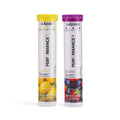
Outpace Bounceback is built for the recovery window after training. It combines a 6.1g EAA blend with taurine, grape seed extract and an electrolyte blend in a single serving, so you cover amino acids and rehydration together. Mix it with water after your workout, as directed on the label.
Conclusion
EAAs and protein both have a place in recovery. Protein is the foundation for your daily needs, while EAAs offer a fast, light and convenient option around training. Match your choice to your session, your climate and your goals, and do not forget hydration.
FAQs
1. Are EAAs better than protein?
Neither is better in every case. Protein supports your total daily needs, while EAAs are a quick and light option. Many people use both.
2. Can EAAs replace my protein powder?
EAAs do not provide the full range of amino acids or the calories that a protein shake or meal does. They work best as an addition, not a full replacement.
3. When should I take EAAs?
Many people take them after training, and some take them before or during. Follow the directions on the product label.
4. Do I need EAAs if I eat enough protein?
If your diet already meets your protein needs, you may not need extra EAAs. They can still be a convenient option for specific situations like early morning or hot-weather sessions.
5. Are EAAs safe for everyone?
Most healthy adults can use them as directed. If you are pregnant, have a medical condition (especially kidney or liver related) or take medication, check with your doctor first.
6. Is Bounceback a protein powder?
No. Bounceback is an EAA, taurine and electrolyte formulation for recovery. It is meant to complement, not replace, the protein in your diet.

← Previous
Electrolytes 101: What They Are and Why Your Body Needs Them
Next →
How to Fuel and Hydrate for HYROX: Before, During and After


