



Electrolytes 101: What They Are and Why Your Body Needs Them

You have probably seen the word "electrolytes" on sports drinks, tablets and sachets, but what do they actually do? Are they just salt, or is there more to it? In this blog, we explain what electrolytes are, why your body needs them, and how to think about them when you train in hot and humid weather.
What Are Electrolytes?
Electrolytes are minerals that carry a small electrical charge when they dissolve in water. Your body uses them in blood, sweat and the fluid inside and around your cells.
The main electrolytes are sodium, potassium, magnesium, calcium and chloride. Each one plays a different role, and they work together.
What Do Electrolytes Do in Your Body?
Support fluid balance
Sodium and potassium help control how much water sits inside and outside your cells. This balance is a key part of staying properly hydrated.
Support muscle function
Muscles contract and relax with the help of minerals such as sodium, potassium, calcium and magnesium. They are part of the normal signalling between your nerves and muscles.
Support nerve signals
Electrolytes help nerves send signals around the body, which matters for movement, coordination and focus during training.
The Key Electrolytes and Their Roles
- Sodium: Helps maintain fluid balance and is the main electrolyte lost in sweat.
- Potassium: Works with sodium to support fluid balance and normal muscle function.
- Magnesium: Involved in muscle function and energy metabolism.
- Calcium: Supports muscle contraction and bone health.
- Chloride: Works alongside sodium and helps maintain fluid balance.
How Do You Lose Electrolytes?
You lose electrolytes mainly through sweat. The amount depends on how hard you train, how long you train, the temperature and humidity, and your own sweat rate. Some people are "salty sweaters" and lose more sodium than others.
In India, long sessions in summer heat and humidity can increase these losses. Drinking only plain water during such sessions replaces fluid but not the minerals you have lost.
Who May Benefit from Extra Electrolytes?
- Athletes training for more than 45 to 60 minutes
- People who exercise outdoors in hot or humid weather
- Heavy sweaters, including those who notice salt marks on clothes
- Endurance runners, cyclists and HYROX participants
For short, light workouts, water and a balanced diet are usually enough.
Can You Get Electrolytes from Food?
Yes. Everyday foods can contribute to your intake:
- Sodium: salted foods, buttermilk, dal, pickles in moderation
- Potassium: bananas, coconut water, potatoes, spinach
- Magnesium: nuts, seeds, whole grains, leafy greens
- Calcium: milk, curd, paneer, ragi
During long, hot sessions, though, it can be hard to eat and drink enough of these quickly. That is where an electrolyte formulation can be convenient.
How to Choose an Electrolyte Product
- Check the dose: Look for clear amounts per serving, not just a list of names.
- Look for a transparent label: Avoid "proprietary blends" that hide the exact quantities.
- Watch the sugar: Lower-sugar options are better for most daily training.
- Consider your climate: Products built for cooler regions may not match the sweat losses of Indian conditions.
How Outpace Fits In
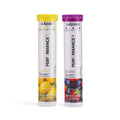
Outpace Performance+ is an effervescent electrolyte tablet formulated for training in Indian conditions. Drop one tablet in water, let it fizz, and sip before or during your session. It is built on formulation integrity: meaningful doses and a transparent label.
Conclusion
Electrolytes are small but important. They support fluid balance, muscle function and nerve signals, and you lose them when you sweat. If you train long or train hot, planning your electrolytes along with your water is a simple way to support your performance.
FAQs
1. Are electrolytes just salt?
No. Salt (sodium chloride) is one source of sodium and chloride, but electrolytes also include potassium, magnesium and calcium, each with its own role.
2. Do I need electrolytes if I do not sweat much?
Probably not in large amounts. A balanced diet usually covers your needs during light activity.
3. Can I drink electrolytes every day?
Many active people use them on heavy training days or in hot weather. For daily use, follow the label and check with your doctor if you have a medical condition, especially related to blood pressure, kidneys or heart.
4. Is coconut water enough?
Coconut water is a good source of potassium but is usually lower in sodium than what heavy sweaters lose. It can be a useful part of your hydration plan, not always the whole plan.
5. When should I take an electrolyte drink?
Before or during long, intense or hot sessions. Always follow the directions on the product label.

← Previous
Why Hydration Matters More When You Train in Indian Heat
Next →
EAAs vs Protein: What Your Body Needs After a Workout


